


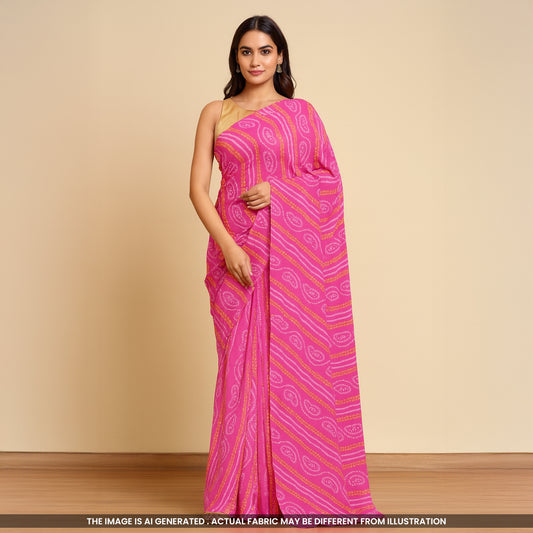

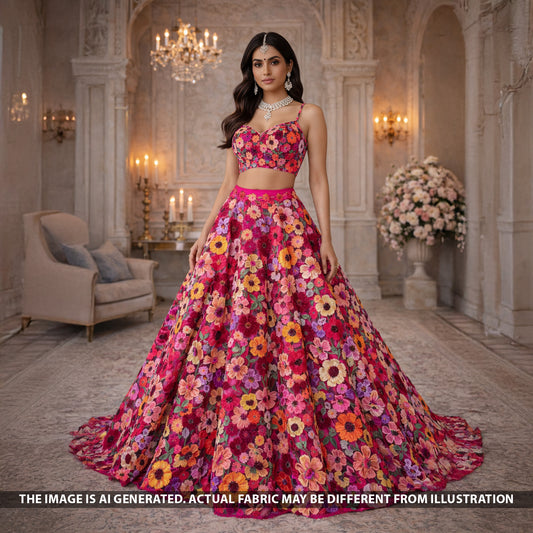

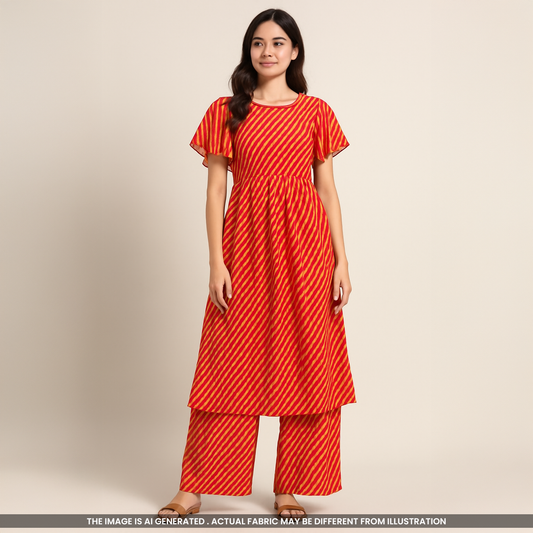

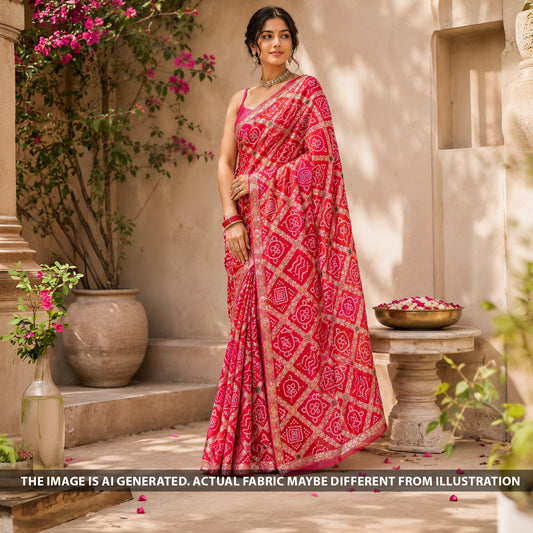
































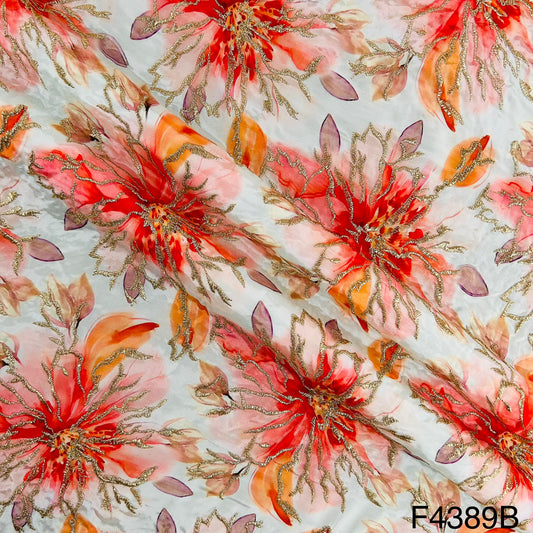
Best Fabric for Saree
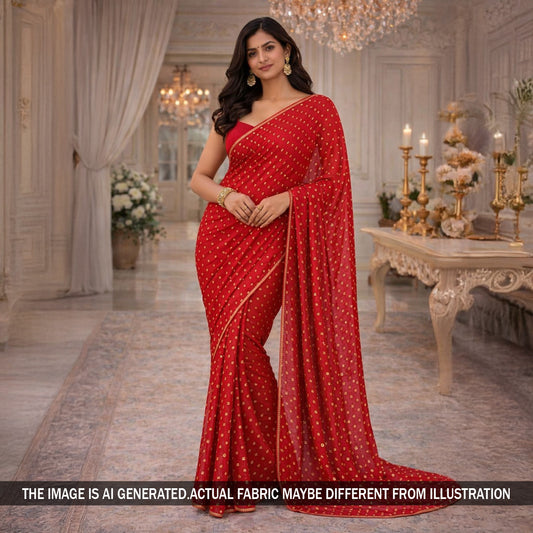
Choosing the best fabric for saree starts with understanding the kind of Saree you want to create—soft and flowing, lightweight and comfortable, structured and elegant, or detailed for a special occasion. This collection brings together fabrics suitable for creating customised sarees in different colours, textures, finishes and design styles.
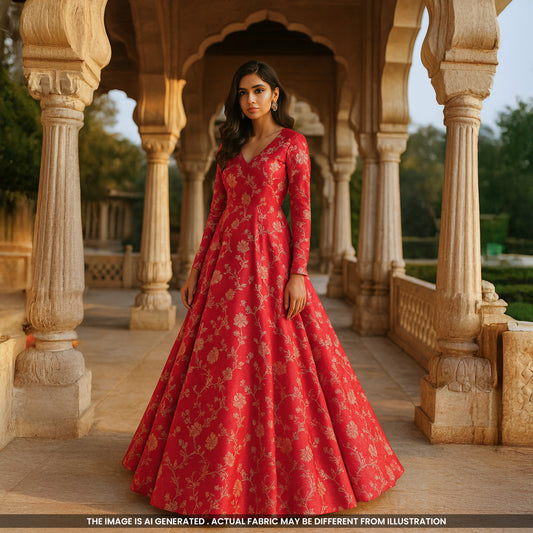
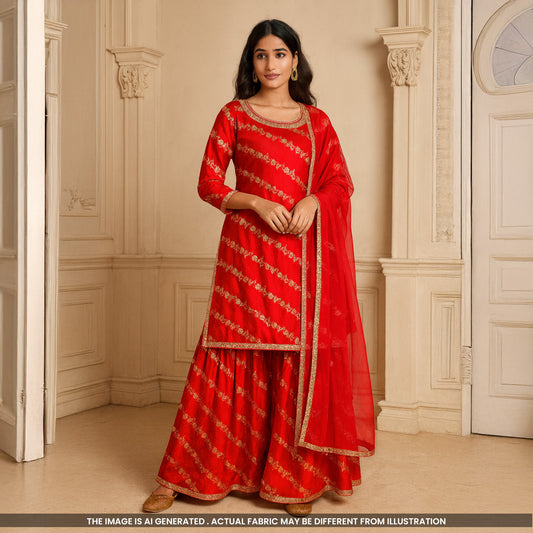
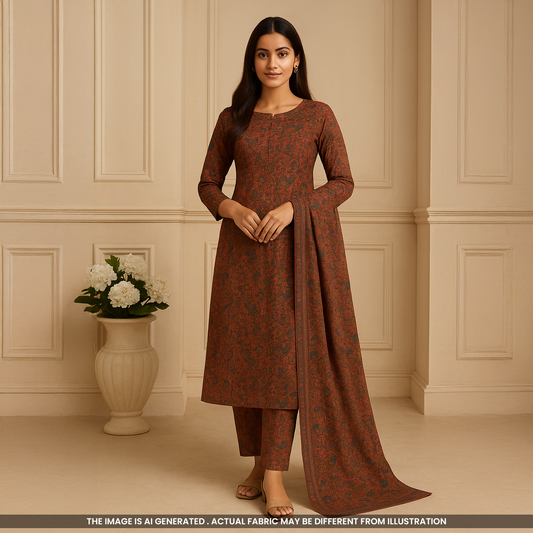
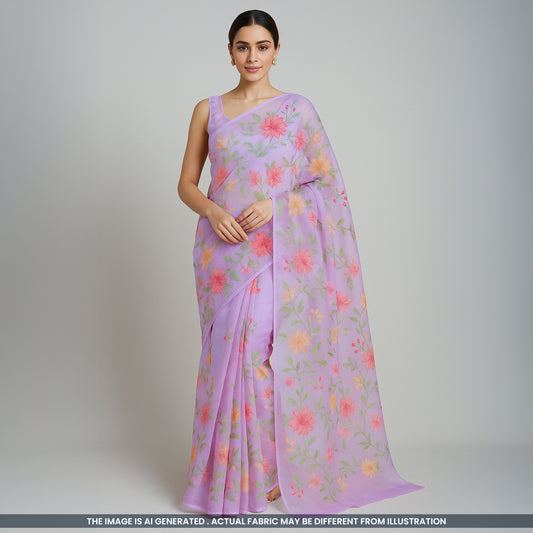
Depending on the current selection, shoppers can explore options across fabric categories such as silk, georgette, organza, crepe, satin, cotton and muslin, along with printed, embroidered or other decorative styles where available.
Whether you are selecting saree fabric for everyday styling, festive wear, weddings, parties, college functions or a designer project, this collection makes it easier to compare fabrics according to their drape, appearance, work and intended use before choosing the right material.
About This Collection
There is no single fabric that works best for every saree. The right choice depends on how you want the finished drape to look and feel.
Some materials naturally create a softer, more fluid fall, while others give the saree greater structure or volume. Fabric surface, transparency, weight, weave, embellishment and finish can also influence how the saree pleats, how the pallu falls and how the overall outfit looks when worn.
Depending on availability, this collection may include different saree fabric options such as:
- GeorgetteTypically chosen when a flowing drape and softer fall are preferred.
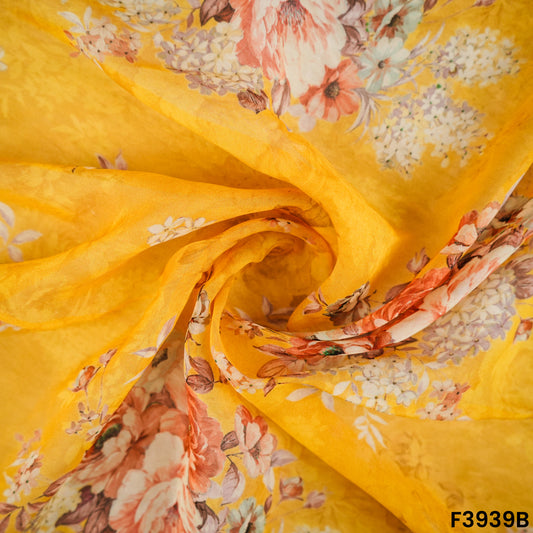
- OrganzaOften selected for sarees where a lighter yet more structured appearance is desired.
- Silk fabricsSuitable for customers looking for a richer surface and more occasion-oriented appearance, depending on the specific silk type.
- CrepeGenerally offers a fluid fall with a subtly textured surface.
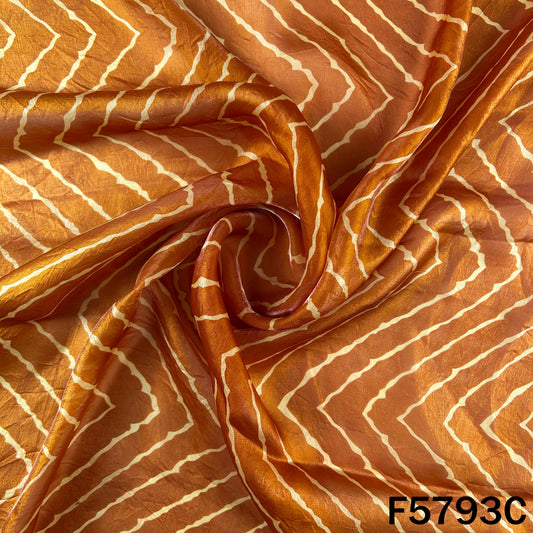
- SatinKnown for its smooth surface and noticeable sheen, making it useful for contemporary saree concepts.
- CottonA practical option for customers who prefer a more natural-looking, less glossy saree style.
- MuslinCan work well for lightweight saree concepts depending on the weave, design and transparency of the particular fabric.
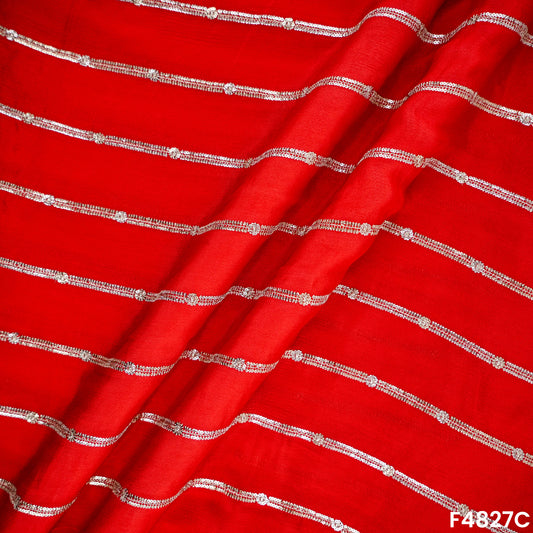
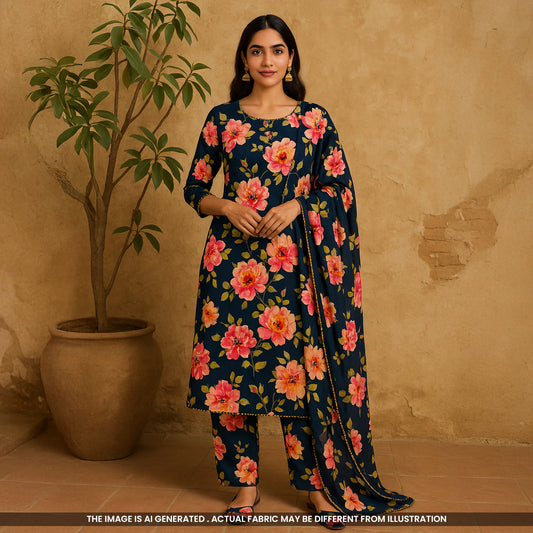
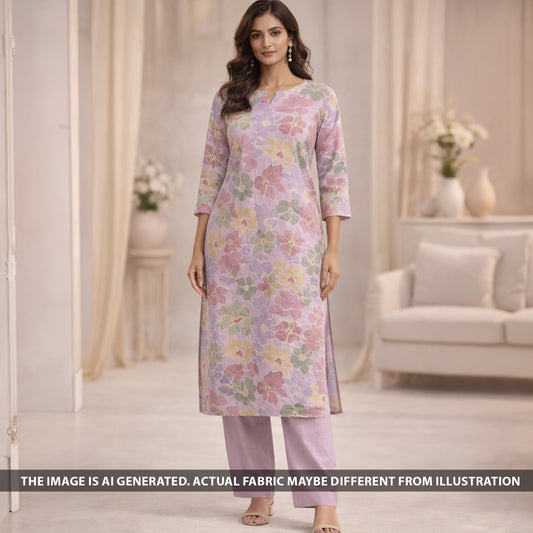
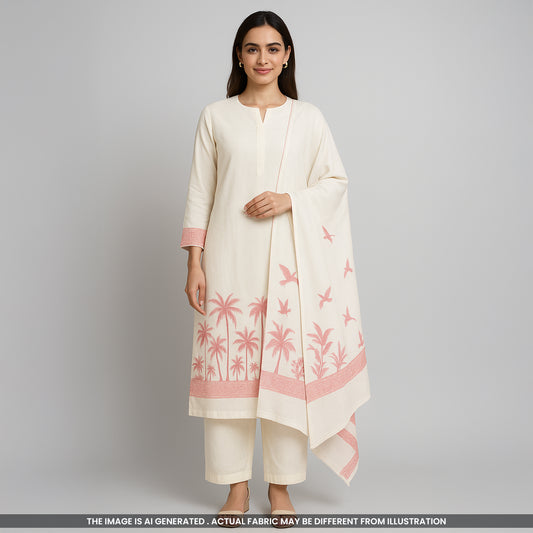
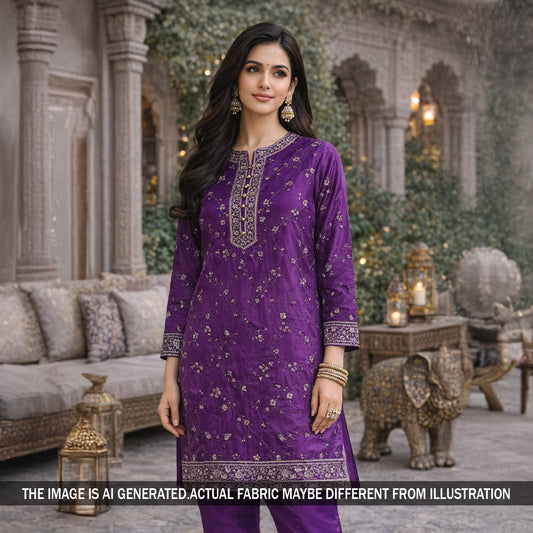
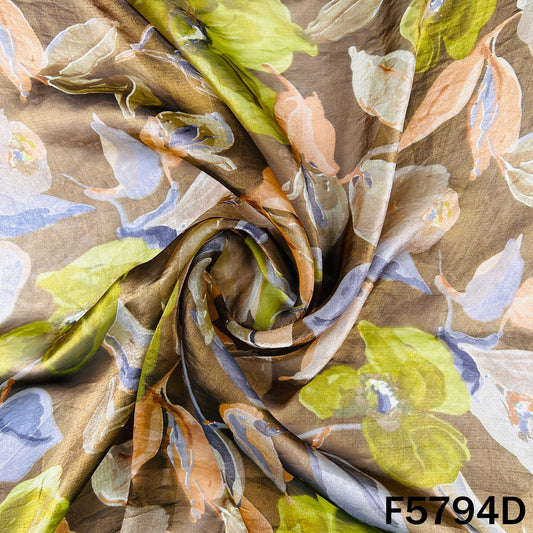
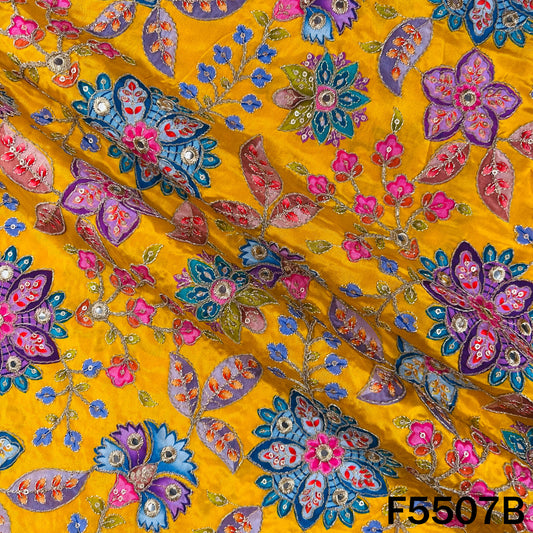
You may also find printed patterns, embroidery, floral designs, dyeable options or other decorative work depending on current stock.
When comparing the best fabric for sarees in India, it is better to look beyond only the fabric name. Two fabrics from the same broad category can differ considerably in weight, weave, transparency, surface texture and fall. Always check the individual product photographs and specifications before ordering.
What Can You Make / Wear With It?
The fabrics in this collection are intended primarily for customers looking to create customised sarees rather than purchase ready-made sarees.
They can be considered for:
- Traditional customised sarees
- Contemporary saree drapes
- Designer saree concepts
- Party and occasion sarees
- Festive sarees
- Wedding and family-function outfits
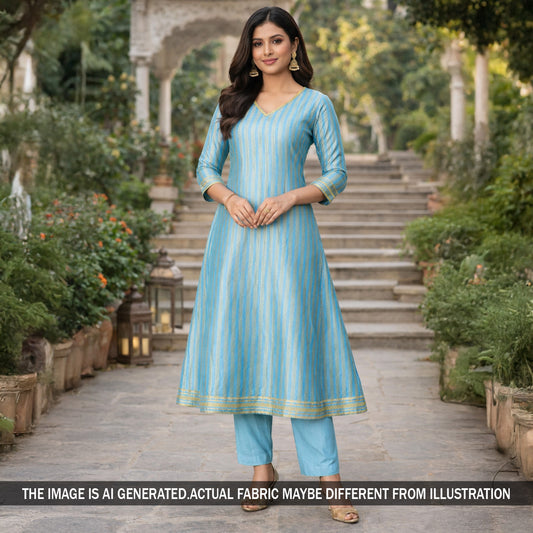
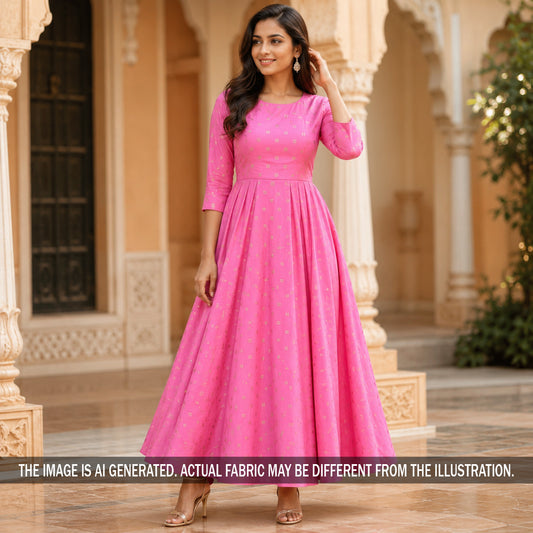
- Pre-draped or stitched saree concepts, where suitable
- Coordinated designer projects for boutiques and resellers
Designers can also experiment with contrasts by combining a plain saree body with a decorative blouse, border or pallu concept. Similarly, embroidered or printed fabric can become the main design element while the blouse is kept simpler.
If you plan to use one fabric for the saree and another for the blouse, border or additional detailing, calculate each requirement separately before ordering.
Fabric width and required metreage can differ according to the design, wearer, draping style and tailoring plan. It is advisable to confirm the quantity with your tailor or designer before purchasing.
How to Choose
The best fabric for saree is the one that matches the drape and occasion you are trying to create. Instead of selecting only by colour or design, consider how the material will behave after it is made into a saree.
1. Decide the type of drape you prefer
For a softer, flowing appearance, look at fabrics that naturally have more fluidity. If you prefer defined pleats or a more structured silhouette, compare fabrics with slightly greater body.
2. Check the occasion
Your fabric choice can change according to where the saree will be worn.
For example:
- Everyday or daytime wear may call for simpler, comfortable-looking materials.
- Festivals and family functions may suit printed, woven or lightly embellished designs.
- Party wear can include fabrics with sheen, embroidery or decorative surface work.
- Wedding-related outfits may allow more detailed or statement-oriented fabrics.
There is therefore no universal best fabric for sarees for wedding occasions. The right option depends on whether you want a lightweight look, traditional appearance, modern drape or more decorative finish.
3. Look at the design placement
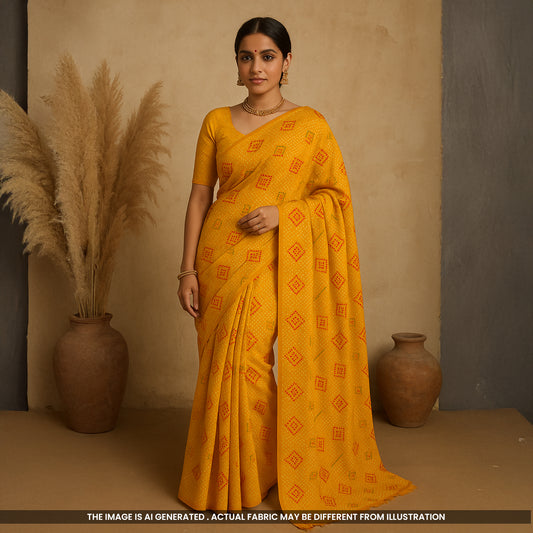
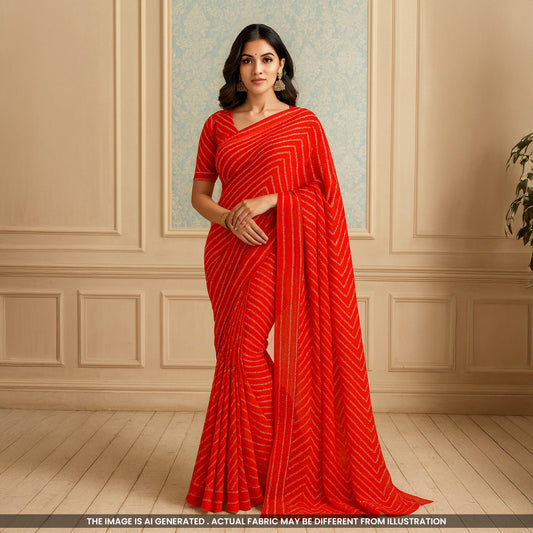
For printed or embroidered fabric, check motif size and spacing carefully. Large motifs can create a very different saree appearance from small repeating patterns.
If the fabric has borders, embroidery or directional designs, consider where those elements will appear once the saree is draped.
4. Consider transparency
Transparency varies by fabric type, weave, colour and design. Lightweight fabrics may appear more sheer than heavier materials.
Check the individual product images and description carefully. Your choice of petticoat or inner layer can also influence the final appearance of a sheer saree.
5. Think about fabric weight
A heavily worked fabric and a lightweight plain fabric can feel very different after several metres are draped around the body.
If comfort for long functions is important, consider the overall weight of the fabric as well as the amount of embroidery, sequins or other work present.
6. Check care requirements
Care can vary considerably between plain, printed, embroidered and embellished materials. Always follow the care guidance given for the individual fabric rather than assuming that every saree fabric can be washed in the same way.
Why Shop This Collection
This collection is designed to make finding fabric for saree projects simpler by bringing relevant materials together in one place.
Instead of browsing through every fabric category separately, customers, designers, boutiques and resellers can compare available saree-suitable fabrics by colour, texture, design, work and fabric type.
It is particularly useful when you already have a saree design in mind but want the flexibility to choose the material yourself. You can compare different looks and select fabric according to your own styling, tailoring and occasion requirements.
FAQs
Which is the best fabric for making a saree?
There is no single best option for every saree. Georgette, organza, silk, crepe, satin, cotton and other fabrics can create very different results. Choose according to your preferred drape, weight, transparency, texture and occasion.
How much fabric should I order for a saree?
The required quantity can vary according to fabric width, wearer height, desired pleats, pallu length, draping style and whether blouse fabric is required from the same material. Confirm the required metreage with your tailor or designer before placing the order. But we consider 5.5m.
Which fabric is suitable for a wedding saree?
The choice depends on the look you want. Silk-based fabrics, organza, georgette and decorative or embroidered materials can all be considered for wedding and festive sarees depending on the individual fabric. Check the work, weight and drape before deciding.
Will saree fabric be transparent?
Some lightweight or open-weave fabrics can have a degree of transparency, while others may be more opaque. Transparency can also change according to colour and weave, so check the product images and individual specifications carefully before purchasing.
Do I need a lining with saree fabric?
Traditional sarees are generally worn with a petticoat rather than being fully lined. However, sheer materials may require careful selection of the petticoat or inner layer. Pre-draped and customised designer styles can have different construction requirements, so discuss your design with your tailor.
How should I care for saree fabric?
Care depends on the actual material and decorative work. Plain fabrics, prints, embroidery and embellished fabrics may require different cleaning methods. Follow the care instructions provided for the specific product, particularly when the fabric contains delicate embroidery, sequins or other surface work.