


-
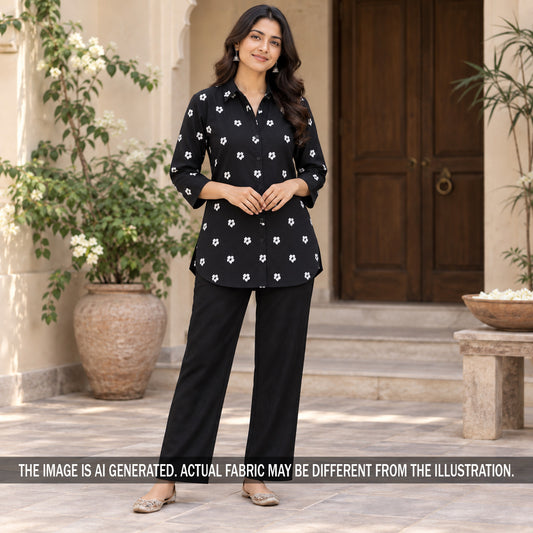
Printed Linen Cotton Fabric - F7528
Regular price Rs. 250.00Regular priceRs. 300.00Sale price Rs. 250.00Sale -
Block Print Linen Cotton Fabric - F7512
Regular price Rs. 250.00Regular priceRs. 300.00Sale price Rs. 250.00Sale -
Zari Sequins Work Linen Fabric - F7470
Regular price Rs. 365.00Regular priceRs. 440.00Sale price Rs. 365.00Sale -
-
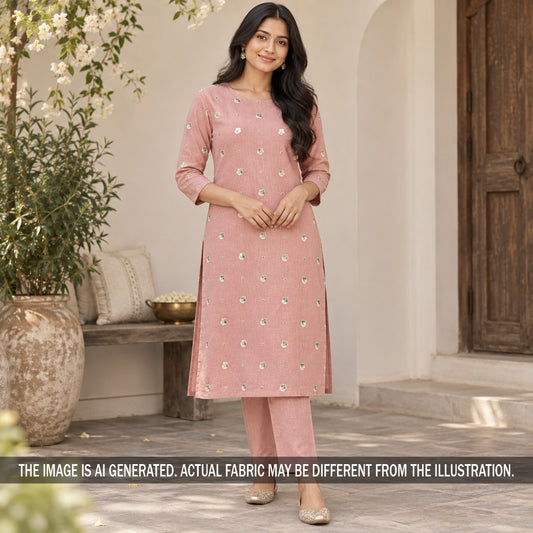
Thread Sequins Buti Work Linen Fabric - F7421
Regular price From Rs. 200.00Regular priceRs. 250.00Sale price From Rs. 200.00Sale -
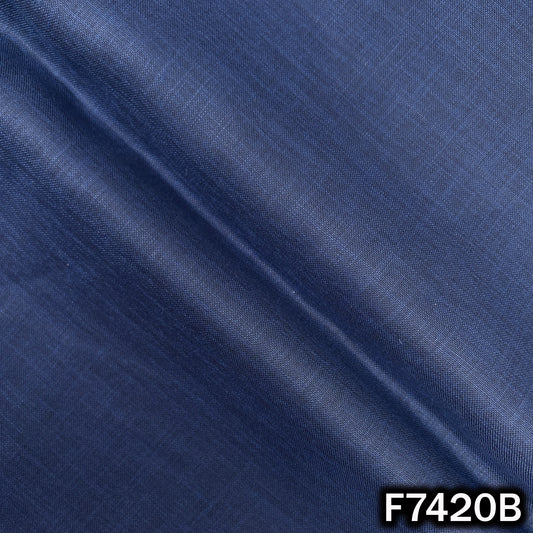
Plain Linen Cotton Fabric - F7420
Regular price Rs. 200.00Regular priceRs. 250.00Sale price Rs. 200.00Sale -
Thread Sequins Buti Work Linen Fabric - F7419
Regular price From Rs. 200.00Regular priceRs. 250.00Sale price From Rs. 200.00Sale -
Thread Zari Buti Work Linen Fabric - F7418
Regular price From Rs. 200.00Regular priceRs. 250.00Sale price From Rs. 200.00Sale -
Thread Sequins Buti Work Linen Fabric - F7417
Regular price Rs. 430.00Regular priceRs. 520.00Sale price Rs. 430.00Sale -
Thread Sequins Buti Work Linen Fabric - F7416
Regular price Rs. 430.00Regular priceRs. 520.00Sale price Rs. 430.00Sale -
Thread Sequins Buti Work Linen Fabric - F7415
Regular price Rs. 395.00Regular priceRs. 475.00Sale price Rs. 395.00Sale -
Thread Zari Buti Linen Fabric - F7414
Regular price Rs. 440.00Regular priceRs. 530.00Sale price Rs. 440.00Sale -
Zari Sequins Foil Work Linen Fabric - F7413
Regular price Rs. 505.00Regular priceRs. 610.00Sale price Rs. 505.00Sale -
Thread Sequins Embroidered Linen Fabric - F7412
Regular price Rs. 505.00Regular priceRs. 610.00Sale price Rs. 505.00Sale -
Thread Zari Buti Linen Fabric - F5408
Regular price Rs. 200.00Regular priceRs. 250.00Sale price Rs. 200.00Sale -
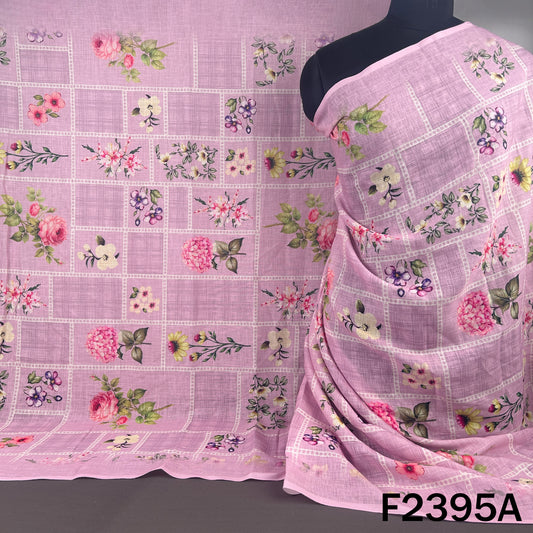
Printed Linen Cotton Dupatta - D2395
Regular price Rs. 485.00Regular priceRs. 565.00Sale price Rs. 485.00Sale -
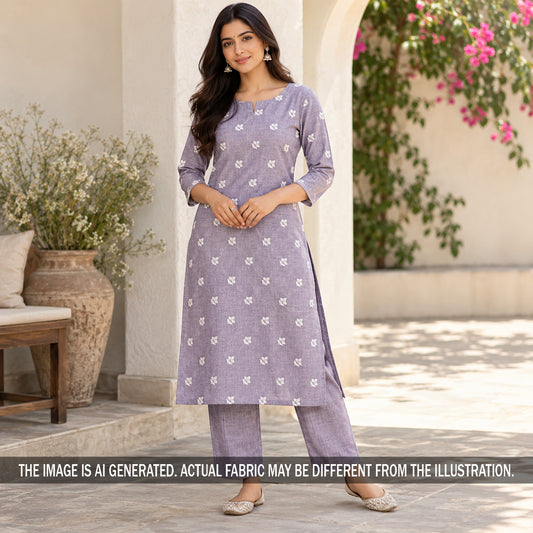
Printed Linen Cotton Fabric - F7374
Regular price Rs. 200.00Regular priceRs. 250.00Sale price Rs. 200.00Sale -
Printed Linen Cotton Fabric - F7373
Regular price Rs. 200.00Regular priceRs. 250.00Sale price Rs. 200.00Sale -
Printed Linen Cotton Fabric - F7372
Regular price Rs. 200.00Regular priceRs. 250.00Sale price Rs. 200.00Sale -
Printed Linen Cotton Fabric - F7371
Regular price Rs. 200.00Regular priceRs. 250.00Sale price Rs. 200.00Sale -
Printed Linen Fabric - F7335
Regular price Rs. 200.00Regular priceRs. 255.00Sale price Rs. 200.00Sale -
Stripes Linen Fabric - F7332
Regular price Rs. 200.00Regular priceRs. 255.00Sale price Rs. 200.00Sale -
Printed Linen Fabric - F7100
Regular price Rs. 200.00Regular priceRs. 255.00Sale price Rs. 200.00Sale -
Printed Linen Fabric - F7099
Regular price Rs. 200.00Regular priceRs. 255.00Sale price Rs. 200.00Sale -
Printed Check Linen Fabric - F7070
Regular price Rs. 200.00Regular priceRs. 265.00Sale price Rs. 200.00Sale -
Cut Dana Thread Sequins Work Linen Fabric - F7329
Regular price Rs. 520.00Regular priceRs. 630.00Sale price Rs. 520.00Sale -
Thread Work Stripes Linen Fabric - F7299
Regular price Rs. 415.00Regular priceRs. 500.00Sale price Rs. 415.00Sale -
Multicolour Stripes Linen Fabric - F7297
Regular price Rs. 225.00Regular priceRs. 280.00Sale price Rs. 225.00Sale -
Stripes Thread Work blended cotton linen - F7144
Regular price Rs. 395.00Regular price -
Stripes Thread Work blended cotton linen - F7143
Regular price Rs. 395.00Regular priceRs. 480.00Sale price Rs. 395.00Sale -
Stripes Thread Work blended cotton linen - F7141
Regular price From Rs. 200.00Regular priceRs. 250.00Sale price From Rs. 200.00Sale -
Stripes Thread Work blended cotton linen - F7140
Regular price Rs. 395.00Regular priceRs. 480.00Sale price Rs. 395.00Sale -
Printed Linen Fabric - F7101
Regular price Rs. 200.00Regular priceRs. 255.00Sale price Rs. 200.00Sale -
Stripes Linen Slub Fabric - F7098
Regular price Rs. 300.00Regular priceRs. 370.00Sale price Rs. 300.00Sale -
Printed Check Linen Fabric - F7075
Regular price Rs. 210.00Regular priceRs. 270.00Sale price Rs. 210.00Sale -
Printed Check Linen Fabric - F7073
Regular price Rs. 210.00Regular priceRs. 270.00Sale price Rs. 210.00Sold out

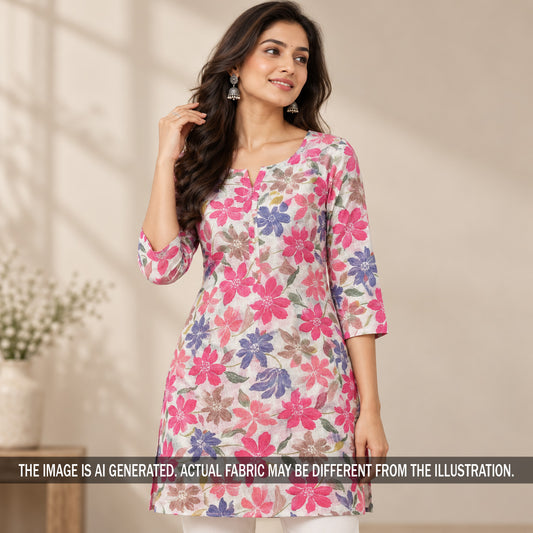

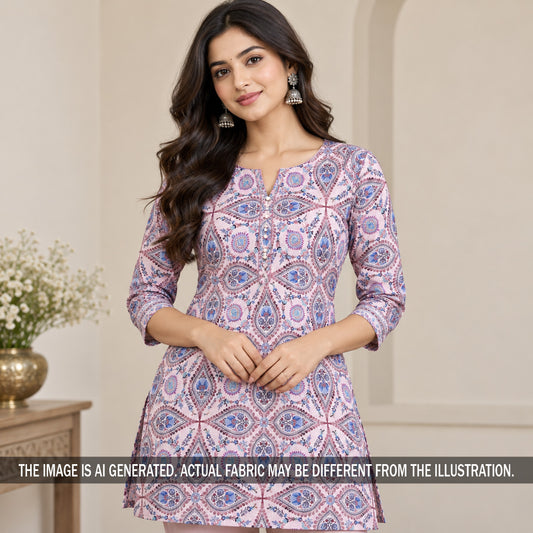

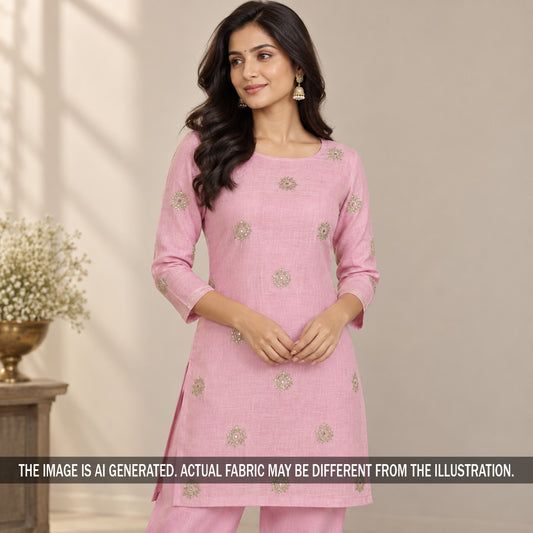

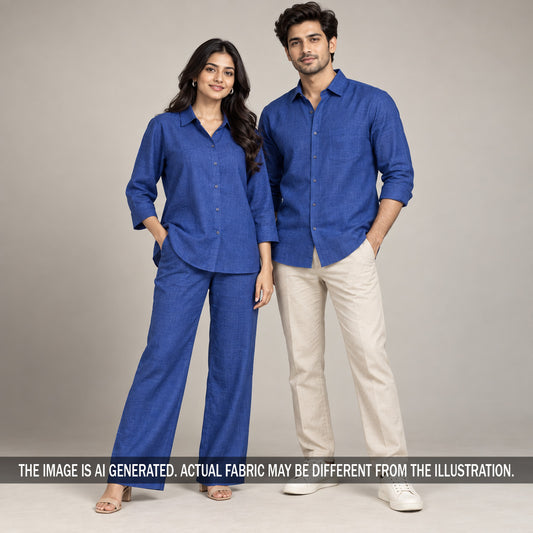





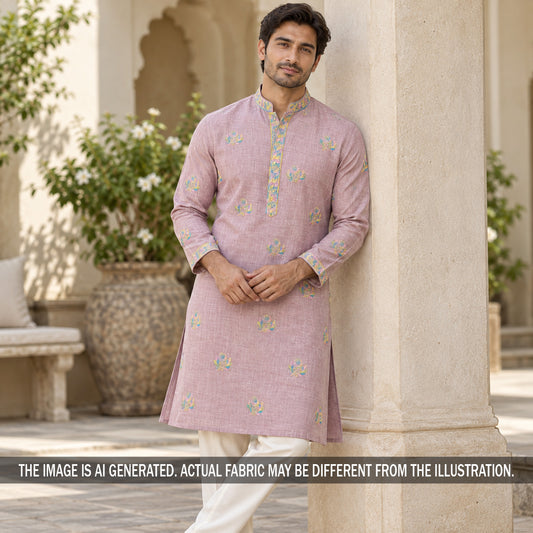

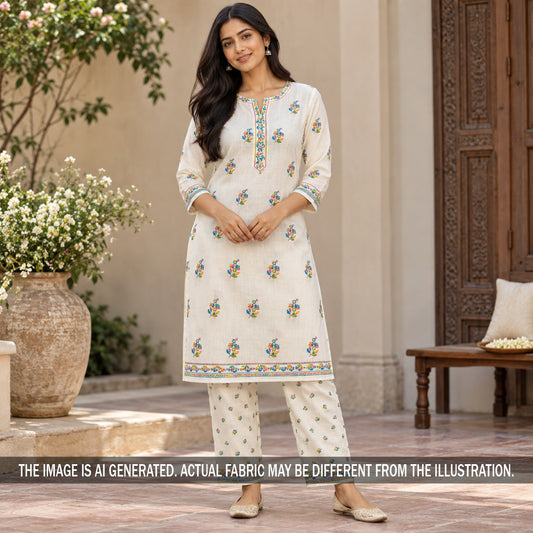

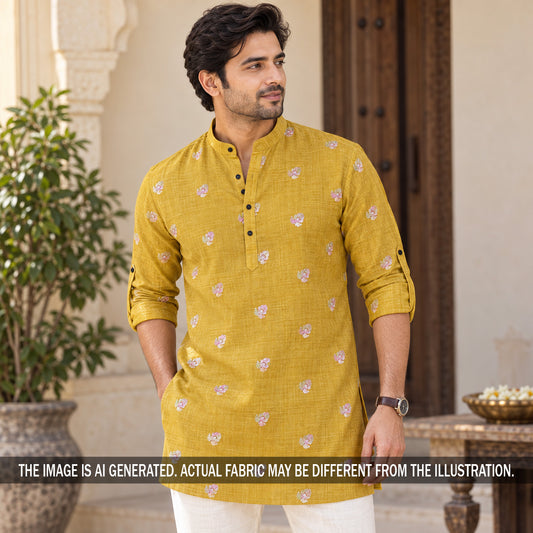

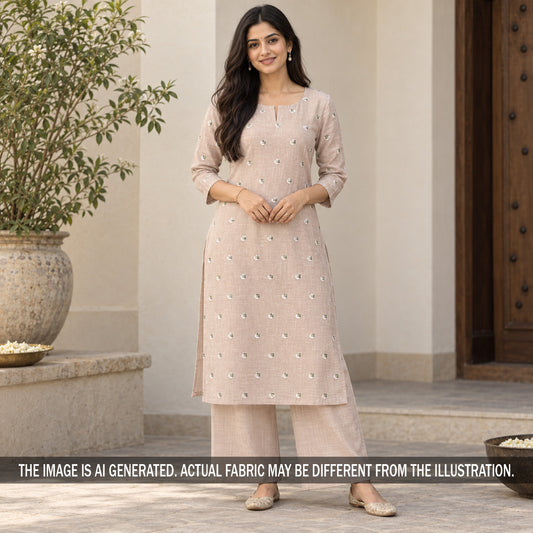

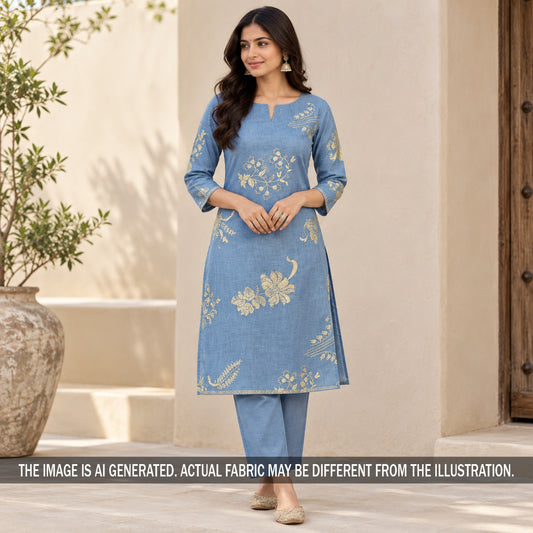

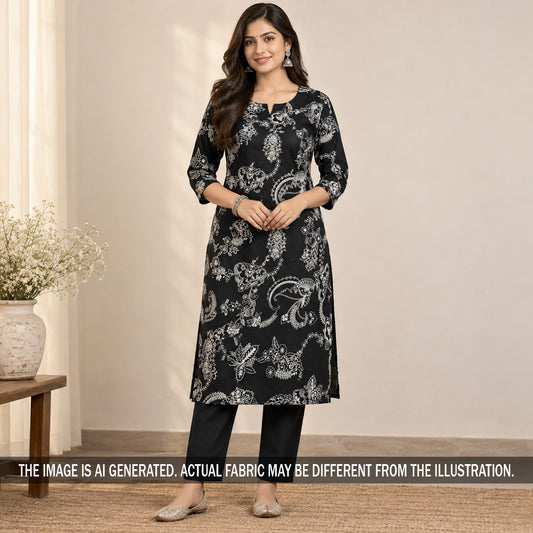

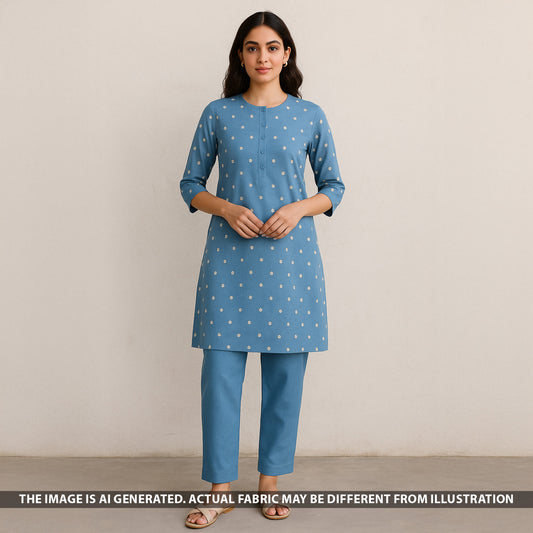


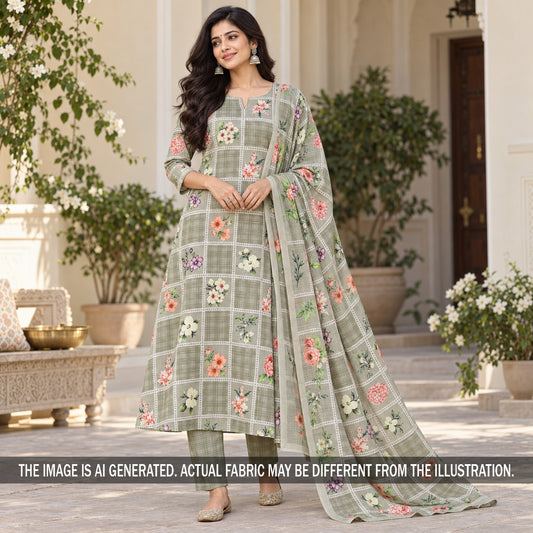

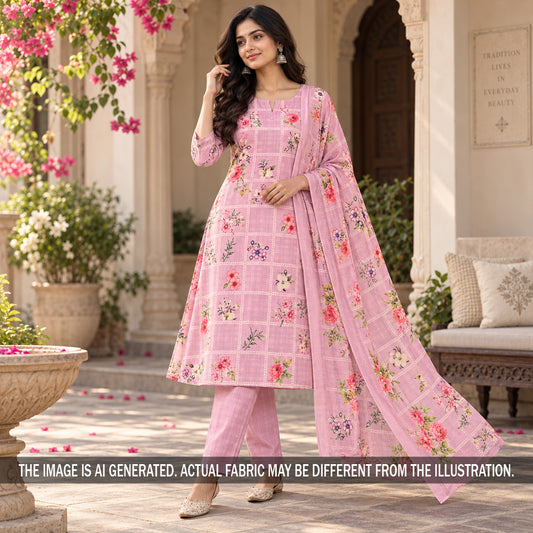

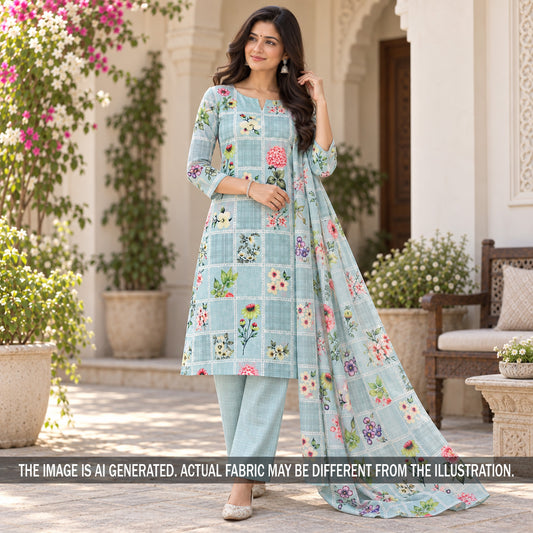

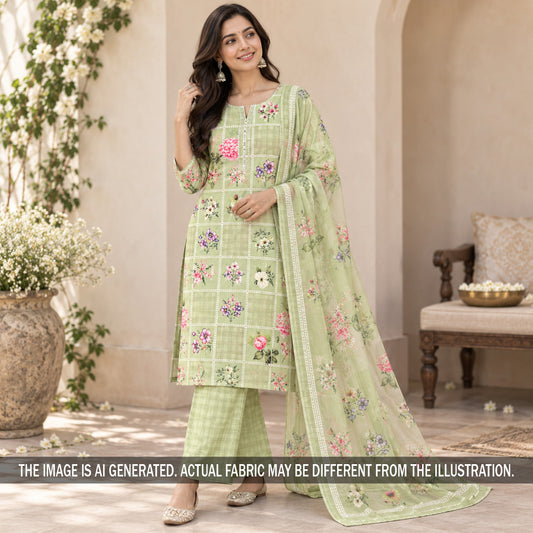

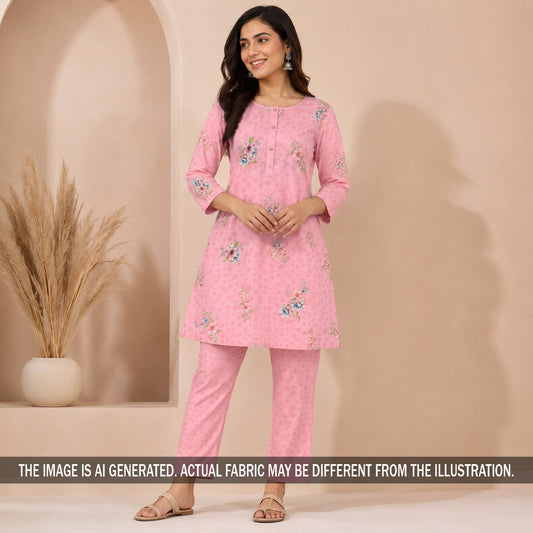

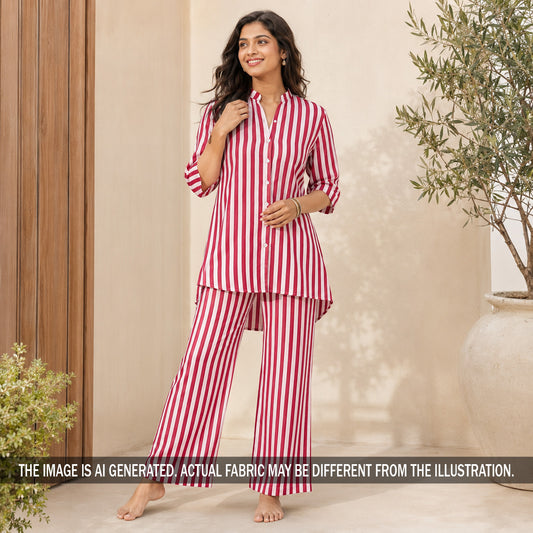

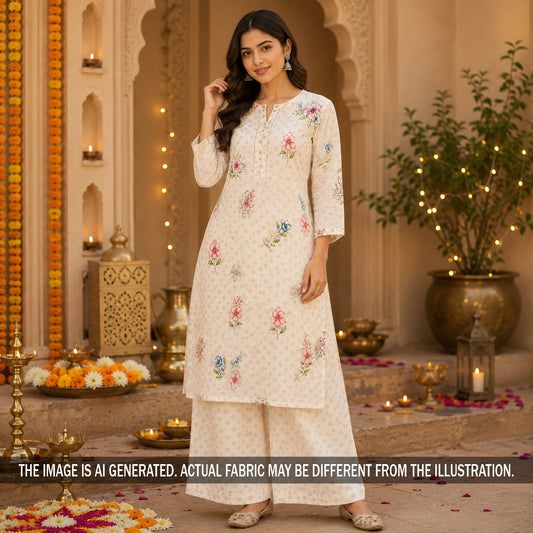

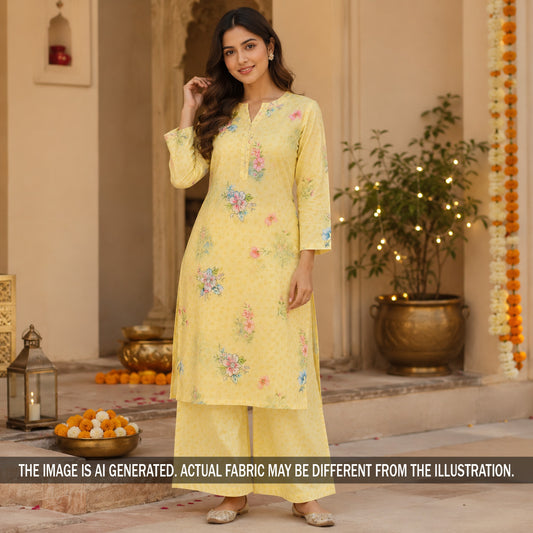

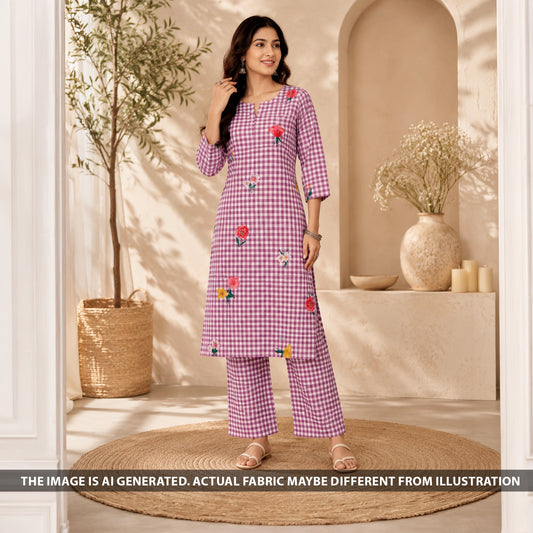

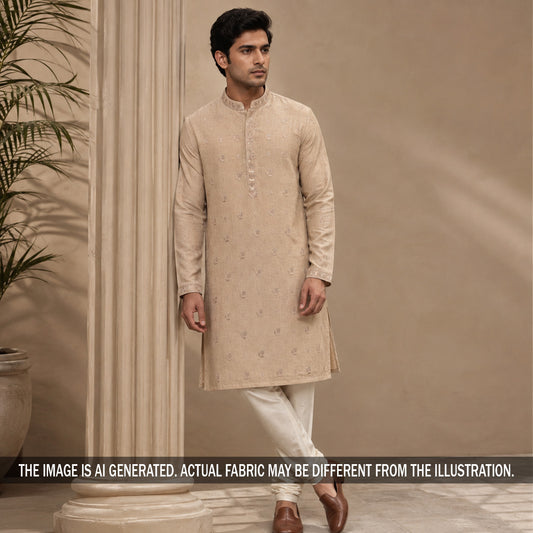

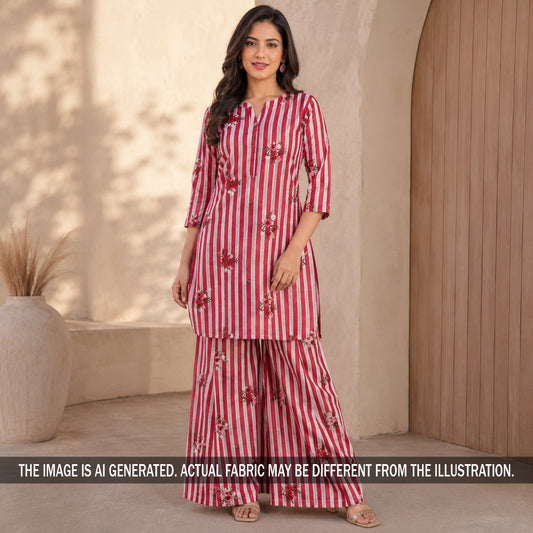

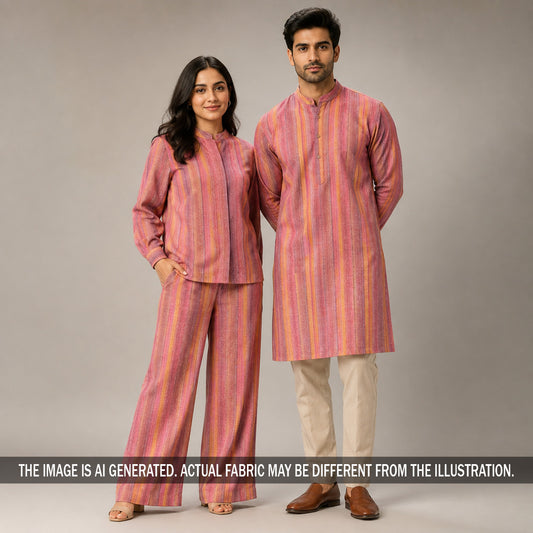

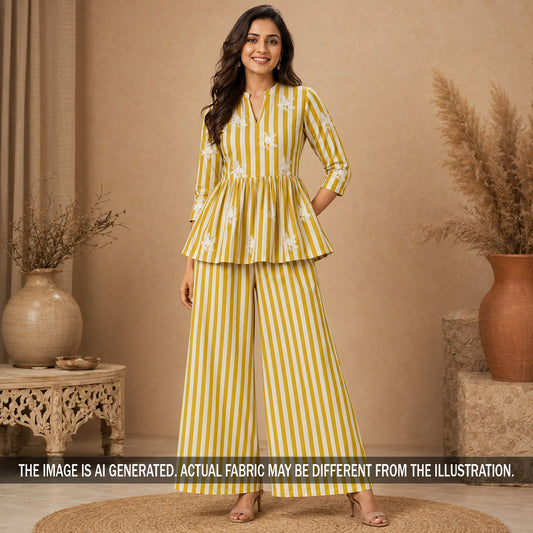

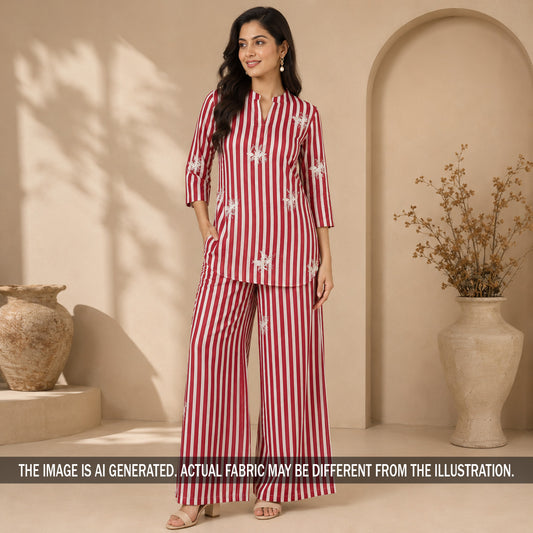

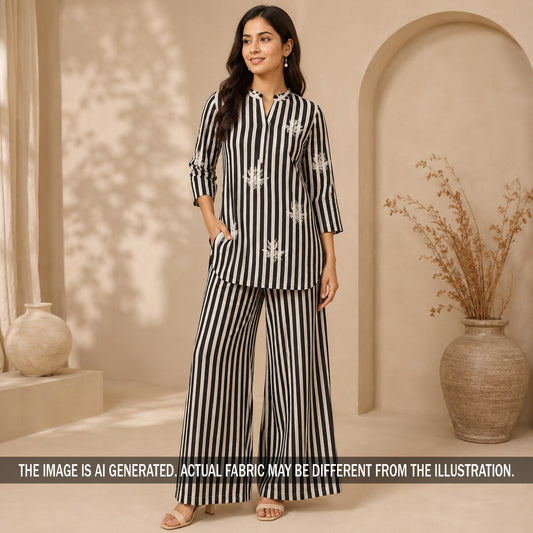

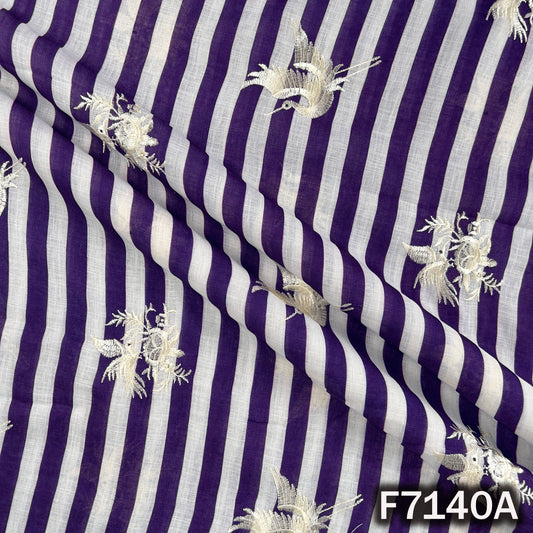

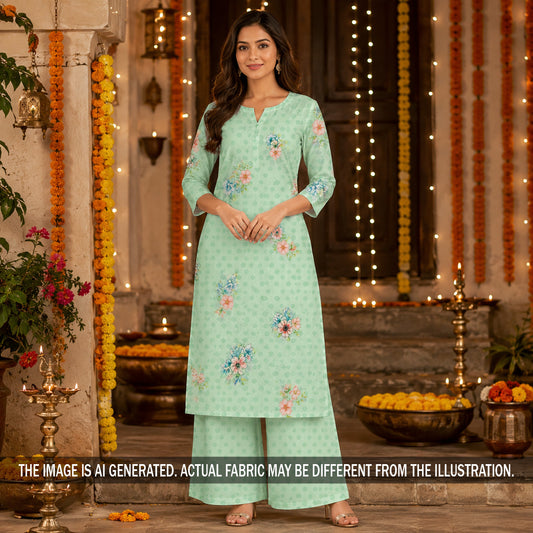

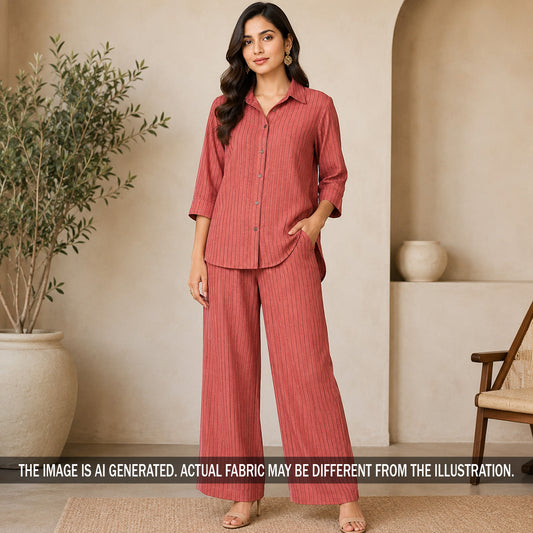

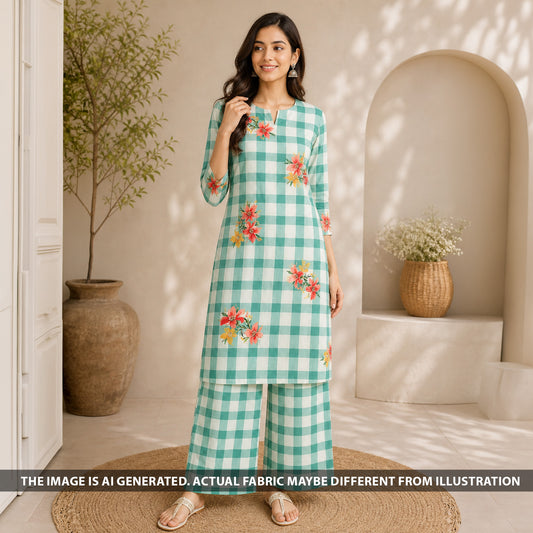

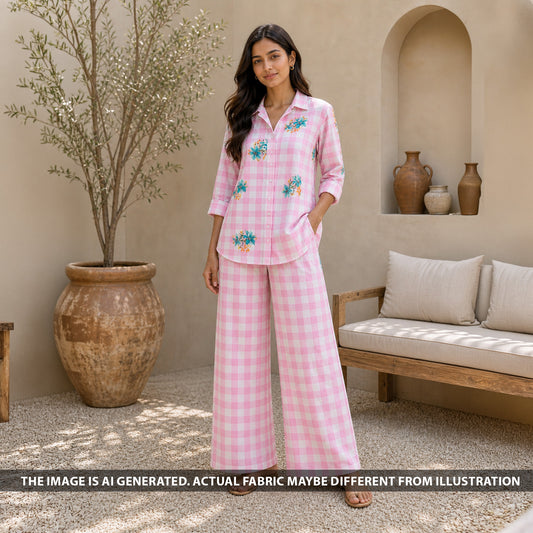
Explore linen fabric for clothing, tailoring and creative projects where comfort, texture and a naturally refined appearance matter. Linen is traditionally produced from flax fibre and is widely used across fashion and home-textile applications.
Depending on the designs currently available in this collection, you can choose linen material for everyday outfits, smart casual clothing, summer dresses, kurtas, shirts, trousers, co-ord sets and other customised garments. Selected linen fabrics may also work for home décor projects such as curtains, cushion covers and table runners when their weight, weave and finish are suitable for the intended use.
Whether you are shopping for personal stitching, designing a new collection for your boutique or selecting fabric for a custom project, this collection makes it easier to compare linen options according to colour, texture, design and intended application.
About This Collection
Linen is valued for the distinctive character created by flax fibres. The material can have a clean yet slightly textured surface, and its appearance can range from relaxed and casual to more structured depending on the weave, weight and finish. Linen is also commonly associated with warm-weather clothing because of its breathable nature.
One of linen's recognisable characteristics is its tendency to develop natural creases during wear. Rather than expecting every linen garment to maintain the perfectly smooth appearance of some synthetic fabrics, many people choose linen specifically for its relaxed, lived-in look.
The exact feel and drape can vary considerably from one product to another. A lighter linen material may be suitable for flowing garments, while a fabric with more body may work better for structured silhouettes.
Depending on the products available, you may find linen suitable for:
- Everyday and smart casual clothing
- Summer outfits
- Kurtas and kurtis
- Shirts and tops
- Dresses
- Co-ord sets
- Trousers and relaxed bottoms
- Skirts and tunics
- Selected saree projects
- Light home décor applications
Because individual linen fabrics can differ in construction and finish, always read the specific product details before deciding how you want to use the material.
What Can You Make or Wear With Linen Fabric?
One of the main advantages of buying fabric rather than finished clothing is the freedom to customise the silhouette, measurements and styling according to your requirement.
For women's clothing, linen fabric for summer dresses can work particularly well when you want a clean, comfortable look for warm-weather dressing. Linen may also be considered for straight kurtas, A-line kurtis, relaxed tunics, skirts, co-ord sets and selected trouser styles.
For men's tailoring, suitable linen material can be used for casual shirts, kurtas and trousers depending on the fabric's weight and structure. Instead of being limited to ready-made sizing, unstitched fabric allows the final garment to be developed according to the required measurements and design.
Designers and boutiques can also use different linen textures and colours to create coordinated collections with understated, contemporary styling.
If you are planning a customised saree or comparing materials for draping projects, you can also explore Fabricroot's For Saree Collection to compare other fabric choices before selecting the most suitable option.
Linen for Home Décor Projects
The use of linen fabric for home decor depends heavily on the weight and construction of the individual material. Linen is commonly used across household textile applications as well as clothing.
Depending on suitability, it may be considered for:
- Linen fabric for curtains where a natural textured appearance is preferred
- Cushion covers and decorative textile accents
- Linen fabric for table runners
- Table linen and craft projects
- Selected lightweight furnishing applications
If you are specifically looking for linen fabric for upholstery, check the product's weight, weave, durability and intended application before purchasing. Not every apparel-weight linen is suitable for furniture upholstery, particularly where the fabric will receive frequent or heavy use.
How to Choose the Right Linen Fabric
The right linen material depends on what you plan to make. Instead of selecting only by colour or appearance, consider how the fabric needs to behave after cutting and stitching.
Consider the End Use
Start with your final project. A summer dress and a structured trouser may require different levels of drape and body, while curtain or furnishing projects have different requirements again.
Check the Fabric Weight and Drape
Where product information is available, consider whether the fabric appears light and fluid or has more structure. Lighter materials generally create softer silhouettes, while fabrics with additional body can help define more structured garments.
Look at Colour and Design
Solid colours can work well for minimal shirts, kurtas, dresses and coordinated sets, while stripes, checks, prints or other surface designs can become the focal point of the finished outfit where such styles are available.
Consider Transparency and Lining
Opacity varies between fabrics. Light colours and lighter constructions can sometimes require lining depending on the garment style and the amount of coverage you prefer.
When in doubt, check the individual product images and specifications before finalising your order.
Plan Before Stitching
If the fabric is washable, consider preparing it according to the recommended care instructions before cutting. Natural-fibre fabrics can respond to washing differently depending on their weave and finishing, so pre-washing can be useful where appropriate.
For a tailored garment, also discuss fabric behaviour, seam finishing and lining requirements with your tailor before cutting the material.
Why Shop This Collection?
This collection brings linen options together in one place, making it easier to compare available colours, designs, textures and styles without searching through unrelated materials.
It can be useful whether you are:
- Selecting fabric for a personal stitching project
- Planning seasonal outfits
- Designing garments for customers
- Sourcing options for a boutique
- Comparing materials for customised apparel
- Looking for linen for selected décor or craft applications
Browse the individual product details carefully to select a linen fabric that suits both the appearance and practical requirements of your project.
Frequently Asked Questions
1. Is linen fabric suitable for Indian summers?
Linen is widely chosen for warm-weather clothing because of its breathable nature and ability to work well in lightweight garments. The actual comfort of a garment will still depend on factors such as fabric weight, weave, fit and lining.
2. Does linen fabric shrink after washing?
Shrinkage can vary according to the linen composition, weave, processing and finishing. If the particular fabric is washable and you are planning a fitted garment, consider pre-washing it according to its care instructions before cutting.
3. Does linen need lining?
Not always. Lining requirements depend on the colour, thickness, weave and garment design. Lighter shades or lightweight linen may need lining for dresses, kurtas or bottoms if more coverage is preferred, while denser materials may be suitable without it.
4. Why does linen crease so easily?
Creasing is a recognised characteristic of linen and contributes to the relaxed appearance commonly associated with the material. If you prefer a smoother finished garment, ironing or pressing according to the product's recommended care instructions can help.
5. Should linen fabric be washed before stitching?
For washable linen, pre-washing can be helpful before tailoring because it allows you to see how the fabric responds to washing before the garment is cut. Always follow the care instructions supplied for the specific fabric rather than assuming every linen product should be treated in the same way.
6. Can linen fabric be used for curtains and upholstery?
Linen can be used for home-textile applications, including curtains and table linen, but suitability depends on the individual fabric. For upholstery in particular, choose only a fabric with suitable weight, construction and durability rather than using lightweight apparel linen simply because it has the desired colour or design.